Ben Lane Hodson
Writer, comic book creator, filmmaker, & musician
  • About
  • Books
  • Contact
  • Media Kit

Coffitivity: A Handy Writer’s Tool

December 2, 2013 By Ben Lane Hodson in Writing

Coffitivity: A Handy Writer’s Tool

For a long time, I would see writers sit in loud and obnoxious coffee shops and tap away at their laptops and wonder how they could possibly get anything of value written. To be sure, there are many writers who endlessly write in a coffee shop but never actually produce anything, using the shop more as a way to gain attention (look at me, I’m a writer) than to write. But there are just as many who are amazingly productive and in fact, prefer the coffee shop’s chaotic environment.

I’ve tried writing in public places like coffee shops with little success. I am easily distracted and each person that walked in forced me to look up at them and lose my train of thought. I’d find myself people watching as much as I wrote (if not more).

Personally, I’ve always loved peace and quiet for writing. Sometimes I’ll turn on some classical music but most of the time, I do my best work in silence. But I’ve met just as many writers who can’t work without music (including music with lyrics). They’d say they found it hard to be creative without some kind of background noise.

Ambient Sound & Creativity

Recently, I discovered that there might be some science behind the benefits of ambient sound. The Journal of Consumer Research did a study in early 2012 that found a correlation between ambient sound and creativity. It turns out the truth is somewhere in the middle. Loud, chaotic noises and complete silence produced less creativity than dull random ambient noise.

Specifically, ambient noise around 70 dB produced the highest creativity. Silence produced the second most creativity with loud sounds over 85 dB hurting creativity the most.

Coffitivity: Ambient Noise Generator

Coffivitity is a simple piece of software you can install on your Mac, iPad, and iPhone that plays random ambient noise while you work. The app couldn’t be easier to use. Just start it up and choose from one of several ambient noise types including:

  • Morning Murmur (morning sounds from a coffee shop)
  • Lunchtime Lounge (a moderate lunch rush with indistinguishable voices chatting and plates clanking as people eat)
  • University Undertones (like sitting in the commons area of a university during a break between classes)

After trying out all three tracks, University Undertones worked the best for me. It didn’t get in my way and still provided enough noise for me to know it was there.

You can get Coffitivity from all the Apple App Stores. Links are provided on the Coffitivity website here. There’s also a way to play the sounds directly from Coffitivity’s website.

Does It Work?

While it’s hard to exactly measure my creativity, I like the writing I produce while I use Coffitivity. I use it as another tool in my writer’s toolbox. Breaking up writing sessions with silence, some background music, and Coffitivity provides a nice change of pace and keeps things flowing. If you’re looking for something to help you break through a creative barrier, Coffitivity just might do the trick.
Sequels, Prequels, & Reboots

November 28, 2013 By Ben Lane Hodson in Books, Comics, Gaming, Movies

Sequels, Prequels, & Reboots

Spend any amount of time reading comments at a movie news website and you’ll notice endless opinions lamenting the end of creativity in Hollywood. Wailing over the latest reboot to a classic film that didn’t need a reboot. Weeping at the next prequel to a movie we loved, that contains absolutely no tension because we already know how it ends. Gnashing of teeth at studio executives working on a sequel to a film that already has three films and is growing more tired with each entry.

How do I know there is so much anxiety over this? Because I’m one of those vocal people that bemoans the lack of unique and creative ideas whether it be movies, books, comics, or even video games. But as much as I’d love to have movie studios and publishers take more risks with untested and innovative projects, I’m afraid the general public has seriously out-voted me with their dollars.

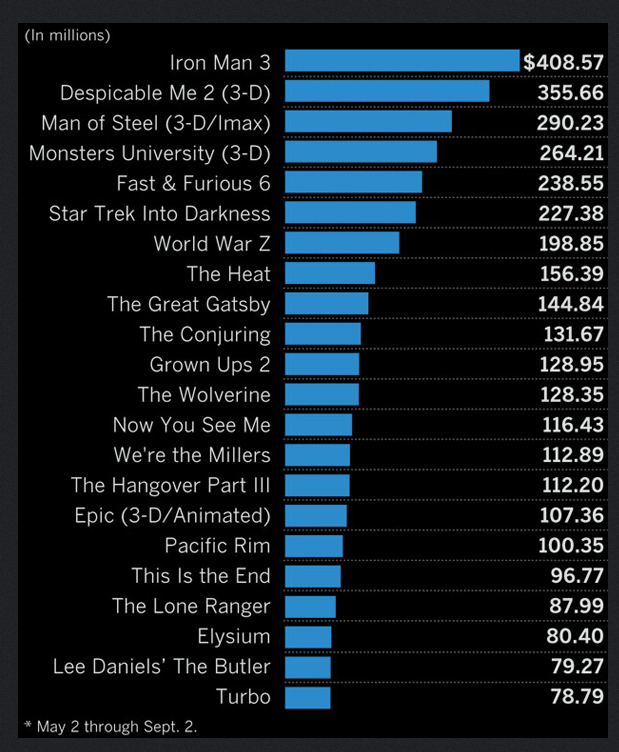
Take a look at this graphic that shows the highest grossing films so far in 2013:

sequels and prequels

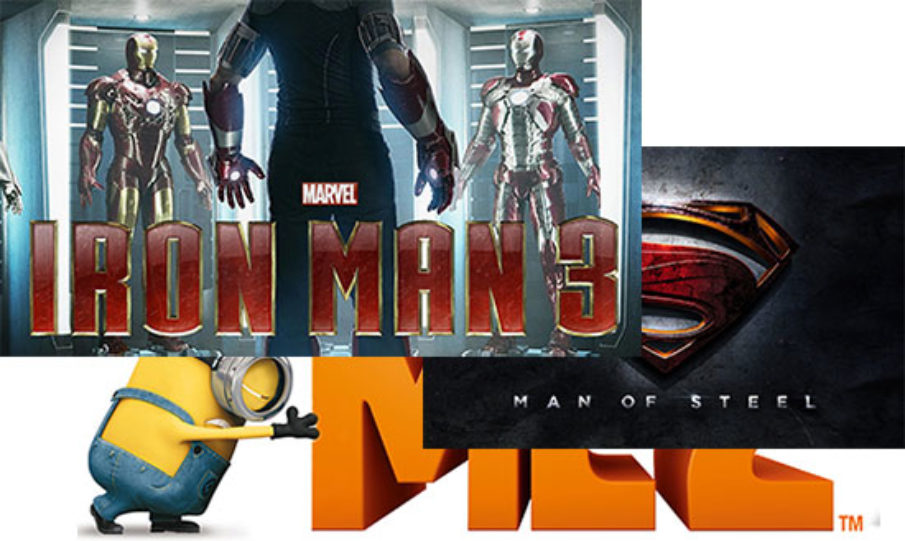
Notice anything familiar? In the top five alone, we have four sequels and one reboot. Of the 22 films listed here, over 2/3 are either sequels or reboots or based on existing properties in another form of media such as books. So why is Hollywood repackaging the same things over and over to us?

Because we buy them. They are a safe bet. For all the complaining from audiences about the lack of creativity, when Hollywood takes a risk on a new property, it won’t even come close to what they can make from an established franchise. The numbers prove that although we say we want more creativity, we don’t support it at the same level.

Why is Hollywood Obsessed with Blockbusters?

Vulture has a great article that describes this phenomena: Why Hollywood Is Caught in the Blockbuster Trap — and Won’t Break Free Anytime Soon. The bottom line is that they are running a business, and businesses want to limit risk as much as possible, and by focusing on established properties, they have the best chance to make the highest profits.

The Paradox of Creative Projects

There’s a bit of an ironic twist to new properties that find success. Pacific Rim, for instance, is a film this year that has a fun and interesting take on the monster / robot genre while not being based on any specific previous film or book. It did well at the box office (although not as well as a sequel would have). But here’s the ironic part. After Pacific Rim was released, fans turned out in droves to talk up the film online. They pleaded for movie-goers to get out and watch the film to support it. Why? So that it could get a sequel!

It’s all about the franchise.

When Will this Trend End?

Not anytime soon. The model is still working. In today’s market where more media is competing for your limited entertainment dollars, safe bets are the first priority. George Lucas and Steven Spielberg have been saying for a while now that what it will take to break this trend is a couple of big budget failures, all in one year, that cripple the studios and force to them to take a look at this business model.

When you have all your eggs in a few baskets and they crack, you are forced to re-examine your strategy. The hope is that the long term trend will be more of the big budget spread across smaller films instead of spent on one giant tentpole. This gives room to take smaller risks that have a higher chance to, at least, break even.

The best way to get Hollywood (and any other media publisher for that matter) to produce more new creative ideas is to vote with your dollars. Support the things that are new and innovative. Avoid the sequels, reboots, and prequels if you don’t want more of them.

What Writers can Learn from Salinger’s Writing Life

November 25, 2013 By Ben Lane Hodson in Books, Tips & Tricks, Writing

What Writers can Learn from Salinger’s Writing Life

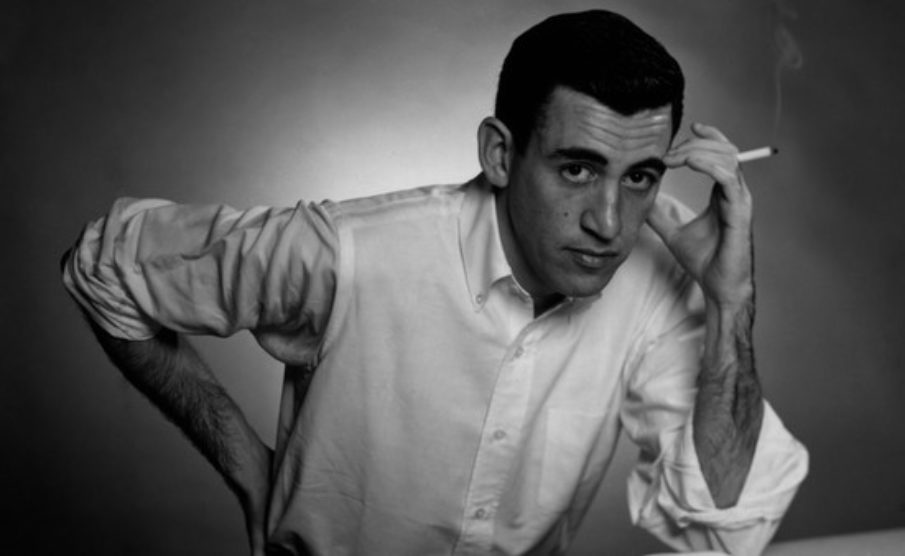
J. D. Salinger only published four books in total. One novel (The Catcher in the Rye), one collection of two interlinked novellas (Franny and Zooey) and two collections of his short stories, yet he was one of the most influential and mysterious writers of the last 100 years. I recently watched a fabulous documentary on Salinger’s life titled just: Salinger (as of this writing, it is available for streaming on Netflix).

The documentary takes a deep look at what kind of man Salinger was, why he disappeared from public life 50 years ago (never to return), and what his writing meant to his readers. The most disturbing revelation (and not altogether surprising) is that Salinger saw himself “as” the character Holden Caulfield from Catcher in the Rye.

The man’s personal life was a bit of a disaster because he was seemingly unable to maintain a balance between his work and his relationships with others. But as I watched the documentary, I realized the “writing” side of Salinger’s life had much other writers can learn from.

1) Have the guts to tell the stories that matter:

You always hear the advice: write what you know. And while that advice is usually applied to writing about topics that the writer has first-hand knowledge of, it is equally as applicable to writing about feelings and ideas the writer has. Holden Caulfield’s worldview is obvious from the first sentence of The Catcher in the Rye. Salinger was able to dig deep and say things that mattered to people, that others could relate to, that put us right in the head’s of his characters.

2) Never stop writing:

Salinger’s last writing was published in the early 1960’s, yet he would live for another 50 years. What was he doing all that time? Well, living as far away from publicity as possible and writing. He set up a Trust before he died and has authorized it to release his writing at specific intervals (the first of which will be published next year). He wrote for himself, first and foremost. He continued to hone his craft. I can’t wait to read the work as soon as it starts getting published. Even without the possibility of publishing, he kept writing. He never stopped.

3) Never give up:

Salinger’s dream was to have a short story published in The New Yorker magazine. He spent years getting rejections, negative reactions to his work, and still he pushed on. He kept writing. As fast as he had a rejection letter in hand, he already had his next piece of work ready to submit. His total focus occupied achieving that goal and after almost 10 years of submissions and rejections, he was published to critical acclaim in The New Yorker with the story A Perfect Day for Bananafish (one of my all-time favorite short stories).

But for all of Salinger’s success as a writer, the publicity and rabid fandom drove him away from the spotlight and, in the end, from people in general. Director Wes Anderson (The Royal Tenenbaums, Moonrise Kingdom) is an unabashed fan of Salinger’s. In Anderson’s film (my personal favorite) Rushmore, one of the characters writes a quote into a book:

When one man, for whatever the reason, has the ability to lead an extraordinary life, he has no right to keep it to himself.

I thought of this quote at the end of the documentary and part of me wished Salinger had found the strength to handle his fame and be more prolific as a published author during his lifetime. At least, some of his work will see the light of day over the next few years. For all the ups and downs of his life, he truly is an inspiring writer.

Trailers should just be a short cut of the Movie

November 21, 2013 By Ben Lane Hodson in Movies

Trailers should just be a short cut of the Movie

There’s an encouraging trend lately in movie trailers to just show a short clip from the movie instead of a bunch of disjointed cut scenes that usually include bold lettering and obnoxious voice-overs. The other big problem with modern-day trailers is giving away too much of the story. Long gone are the days when trailers would just give you enough to be intrigued and want to see the movie. Now they play like a cliff notes version of the actual film.

The Ender’s Game trailer is a good example of giving everything away. The last frames of the trailer actually show the ending of the movie. Kind of ridiculous.

In a previous post, I mentioned that my all-time favorite trailer is Stanley Kubrick’s Dr. Strangelove. What I love about it, and trailers like it, is that it gives you a sense of the film without telling you too much. Also, being a comedy, it’s nice that not all of the funny parts of the film are in it (there is a LOT more funny in that movie).

But I’m encouraged as of late with some really effective trailers that were just a cut of one of the scenes from the film. Here are a few this year that were simple, straightforward, and powerful.

Gravity

How to Train your Dragon 2

Hell Comes to Frogtown

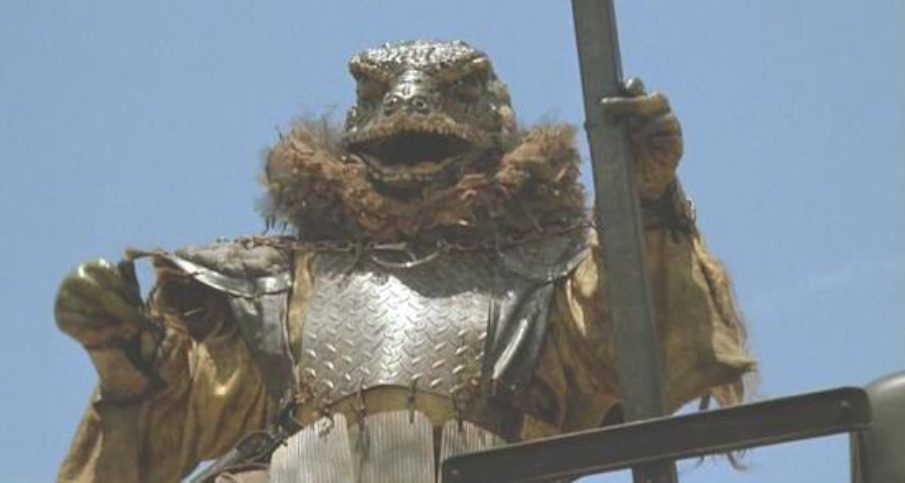
And for the uninitiated, the 1988 film, Hell Comes to Frogtown, is a bizarre and classic B-movie. I did a little cutting to make my own trailer for it. Watch this and tell me you are not dying to see the film after only this short clip. Frogs, guns, beautiful girls, action, love story. What more could you want and all in 30 seconds. And you have no idea how this is going to end. Perfect.

Kubrick’s Non-submersible Units – Writing Without a Narrative

November 18, 2013 By Ben Lane Hodson in Movies, Tips & Tricks, Writing 2 Comments

Kubrick’s Non-submersible Units – Writing Without a Narrative

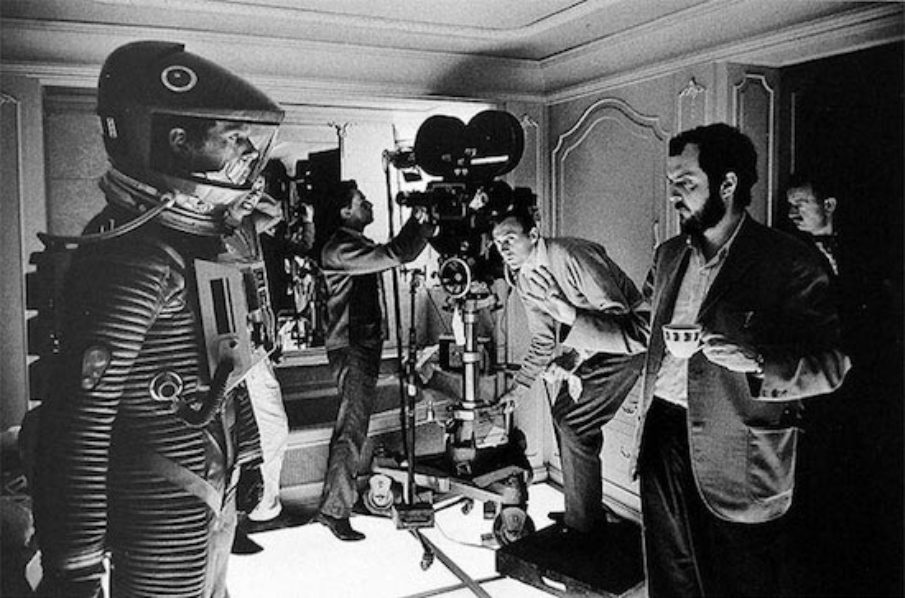
Stanley Kubrick is one of my all-time favorite directors. I wasn’t even born when 2001: A Space Odyssey debuted in 1968 and my first experience with the film was in high school, watching it on a rented VHS tape. Even with that dismal presentation of such a ground-breaking film, I loved it.

Later, I’d have the chance to see 2001: A Space Odyssey on one of the largest movie theater screens in North America, the Seattle Cinerama. I’m not exaggerating when I say that when the intermission (yes, they included the glorious intermission) played, I was speechless. I just stared at the screen for a few minutes. I was in awe of of the film now seeing it the way it was meant to be presented.

When the film ended, I felt I’d gone through the infinite with Dave Bowman. The experience was something more akin to spiritual. Absolutely stunning.

2001: A Space Odyssey and Narrative

For as much as I love 2001: A Space Odyssey (and Kubrick’s other films as well), I am fully aware there is a large segment of the population that would probably use one word to describe it. Weird.

Part of this perception comes from the disjointed narrative of the film. We jump millions of years between scenes in some cases. It’s actually more like four vignettes that tie together thematically. To understand 2001, you need to look for the thematic similarities between scenes.

It’s a very unconventional approach for a film, especially in 1968 when it was released. Part of the reason for this is something I only became aware of recently. There’s a great article here that goes through a list of FAQ’s about Kubrick. One mentions something called non-submersible units.

Non-submersible Units

That’s what Kubrick called the most important beats in the story. When you pulled away all the dialogue, character moments, action, set pieces, etc. What’s left are only the most memorable and important story elements. Kubrick’s non-submersible units for 2001 are:

1) The monolith visits humankind in its infancy

2) An early man discovers technology

3) The monolith is excavated on the moon by astronauts and sends a message to Jupiter

4) Humankind send a manned mission to Jupiter to investigate

5) Advanced technology (Hal) endangers the mission crew

6) Technology is defeated and the surviving crew member rendezvous with the aliens

7) The Starchild is born

Taken on their own, they don’t really tell much of a story. But they are the basic building blocks of the themes to 2001. Kubrick actually had a dislike for pure narrative. This is probably why his films work on multiple levels and are so visually stunning.

What Storytellers can Learn from Non-Submersible Units

I love storytelling. More important than the format (campfire, film, comics, literature) is the story itself. Great stories transcend their format. I have vivid recollections of certain story beats to otherwise forgettable narratives. Key scenes stick with me. Those memories are the non-submersible units of that story. They are the core building blocks.

When I’ve approach a new story lately, I’ve been focusing more on the building blocks and even trying to think about theme more upfront. It’s made the stories more visceral and compelling. It’s also made them fit together on multiple levels. Kubrick’s non-submersible units are a great way to get at the “good parts” of the story without letting the overall narrative get in the way.

4 Big Differences Between The Walking Dead TV Show and Comic

November 14, 2013 By Ben Lane Hodson in Comics

4 Big Differences Between The Walking Dead TV Show and Comic

The Walking Dead is back with Season 4 and while season 3 was a near disaster, things seem to be back on track. It also didn’t hurt that the writer (Scott Gimple) of one of Season 3’s best episodes (Clear) is now the show runner. I’m painfully aware that I’m in the minority who thinks that Season 2 was actually the best so far.

I started reading The Walking Dead comic when issue #3 was just coming out and even back in 2003, I considered it to be one of the best zombie comics (actually one of the best comics overall), I’d ever read. One of the good and bad things about the TV Show is how it changes the comic’s storyline. Good because long time readers can have a relatively new experience with the show. Bad because many times the changes to the storyline were weak compared to the comic’s up’s and down’s (sometimes they were better too).

Having read the comics and watch the TV show, here are a few really big differences between the two:

1) Lori and the baby

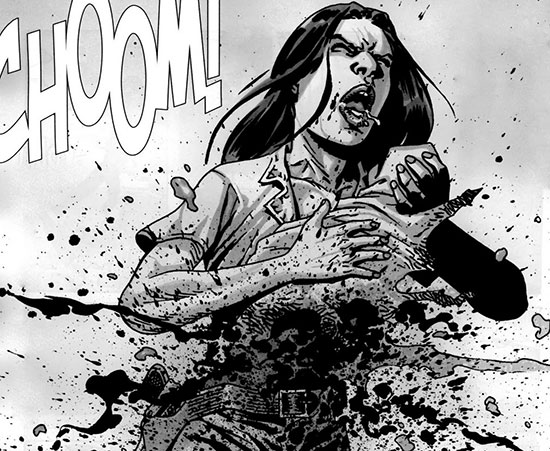
Comic: Lori has the baby. It’s a few weeks old when both Lori and the baby are shot as they flee the prison.

TV Show: Lori dies while giving birth. The baby is birthed through a makeshift cesarean and is still alive, being raised by Rick and Carl.

Seeing this panel makes it pretty obvious why the TV Show changed Lori's demise.

Seeing this panel makes it pretty obvious why the TV Show changed Lori’s demise.

2) Shane’s Death

Comic: Shane’s death happens really early in the comics at Issue #7. Shane lures Rick into the woods to secretly kill him after Lori sides with Rick. Carl witnesses this and Carl shoots Shane in the neck, killing him.

TV Show: Rick kills Shane with a knife after Shane lures him into the woods and is about to kill Rick. (Shane’s character is much more interesting in the TV Show. I miss the tension Shane brought to the group).

3) The Governor

Comic: Michonne is repeatedly raped and tortured by the governor and his men. Once freed, she finds the governor and tortures him. Then cuts off his right arm, all his fingernails, his testicles, and his left eye. Through Woodbury’s medical technology, they are able to help the governor survive. Later, during an attack on the prison, his men end up turning on the governor, killing him, and throwing him to the zombies.

TV Show: Michonne stabs the Governor in the eye with a piece of glass during their fight. But he has not suffered any other injuries. He ends up killing all his own people (except a couple of henchmen) at the end of Season 3 (the opposite of what happened to him in the comic) and is still at large.

4) There’s no Daryl in the comic

Comic: Seriously, he doesn’t exist in the comic. He was made for the TV Show only.

TV Show: Behind Rick, Daryl is far and away the most popular character on the show. He’s one of the pleasant surprises where the comic was changed and the show is better for it.

I’m still amazed at how consistently brilliant The Walking Dead comic was up until about issue #95. The TV Show is not as consistent but does have its moments. I hope Kirkman hasn’t run out of ideas because I love his realistic zombie world and I’d be happy for 95 more quality issues of this continuing story of survival.

How to Support an Author

November 11, 2013 By Ben Lane Hodson in Writing

How to Support an Author
(Image from: http://rebelyellmediamanagement.com)

There’s a disturbing trend I’ve seen lately where authors post Tweets and Facebook updates asking for readers to support an author. As if authors are some kind of struggling non-profit organization that will not survive without charitable donations from readers. What worries me is the emphasis on what amounts to begging for support instead of earning it.

There’s even a hashtag on Twitter: #SupportAnAuthor

So we get messages like this (these are all real examples I’ve seen lately):

  • Here’s a link to my book. Please Retweet! #SupportAnAuthor
  • Post a review on Amazon and Goodreads #SupportAnAuthor
  • Want to support me? Like my Facebook page. #SupportAnAuthor
  • My book is on sale. Buy it here. #SupportAnAuthor
  • My friend’s book is on sale. Buy it here. #SupportAnAuthor

Here’s the most ridiculous one I’ve seen several times a day:

Are you reading today? If so, thanks! #SupportAnAuthor

Thanks for reading? Really? We’ve been reduced to thanking people for doing something that they choose to do for their own pleasure. I can’t think of a single book I’ve read because I was hoping to be thanked for reading it afterwards.

Why am I getting hung up on this? Because all of the above messages say to readers, “my work is not strong enough to stand on its own. I need your charity.”

“But this is marketing. This is how it works online now. You have to self-promote on social media or you’ll never get anywhere,” you say.

Absolutely! There’s so much noise out there, you most definitely have to get your message out. My point is that instead of begging for support, earn it. Here’s a few ways you can accomplish this without asking for a handout.

  • Before you do anything else, write a great book that will blow people away. If you don’t do this first, then the rest won’t work and you’ll be reduced to begging for charity from readers.
  • Retweet other author’s links to books you liked. That means you need to read a lot (which you should be doing anyway to be a better writer). Don’t expect reciprocating. Just do it for good karma’s sake. I guarantee it will come back to you and others will retweet you.
  • Do your own reviews of books you read. Champion other author’s works you really liked. Be sincere and honest.
  • Create great content that’s unique, compelling, and interesting on your social media profiles. Give people reasons to follow you and listen to you. Then they’ll naturally want to buy your book.

I hope I haven’t sounded too harsh. I know all of the above messages are written by struggling authors who mean well and are just doing their best. I just think authors would be better served by focusing more on making a great product, championing work you love online, reading more & writing reviews for the books you love, and making their social media feed less about themselves and what they are trying to sell.

Why Are We Critical of Everything?

November 7, 2013 By Ben Lane Hodson in Movies

Why Are We Critical of Everything?

Ever since I saw the movie Elysium a few months back, all of this negativity towards new movies, books, music, etc. has been on my mind. Elysium is a solid piece of entertainment. The special effects are fabulous. The bad guy, Kruger, is one of the best I’ve seen in a long time. There’s symbolism and allegory. It’s even science fiction which is one of my favorite movie genres.

So why is there so much hate? On message boards where fans proclaim their undying love for all things science fiction, Elysium was raked over hot coals again and again. Every perceived plot hole, missed theme, and poorly executed sequence was destroyed by the very fans that clamor for more smart science fiction.

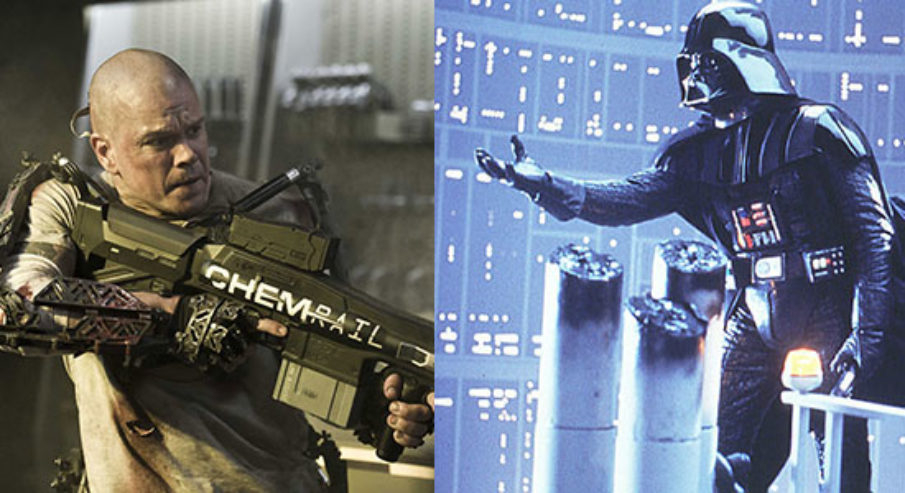
Elysium vs. Empire Strikes Back

Are there problems with Elysium? Of course. Even my all-time favorite movies have issues. What disturbs me is that the criticisms don’t really stand up when compared against other great science fiction movies of the past.

Elysium Problems
Here’s a sampling of issues detractors have with Elysium:

  • The have’s and have-not’s of the Elysium world have too clean of a break. How could they possibly maintained this balance between all of the rich on the space station and all of the poor stuck on Earth?
  • The medical pods are not a finite resource. They are easily deployed with no effort at all. So it seems the rich are just not sharing because they’re jerks.
  • Why would robots need to be irradiated as part of their manufacturing process?

There is truth to all of these criticisms. But do these faults make Elysium a terrible movie deserving of massive derision?

Take Star Wars V: The Empire Strikes Back for instance. It’s easily one of the best science fiction movies ever and far and away the best Star Wars film ever made. It’s generally beloved and deserves every bit of the accolades it receives. And yet, it’s plot holes and issues are no less glaring.

Empire Strikes Back Problems
Here’s a sampling of just a few of the issues I can think of with Empire Strikes Back:

  • They wear air masks with no suit in the vacuum of space. You could say, they’re in a space slug so there’s an atmosphere but if that’s the case, why wasn’t Han curious as to why they were suddenly in atmosphere inside of an asteroid’s cave?
  • What possibly could a space slug eat? I can’t believe there were enough ships coming along to just swallow those.
  • How did the snow Wampa freeze Luke upside down? Did he have a bucket of water and held Luke upside down while he drenched the boots? How long would it have taken to make him stay frozen upside down?
  • Luke randomly lands on Degobah (an entire swamp planet) but finds Yoda within a few minutes, the exact person he was looking for.

The list goes on. “But… but… Empire Strikes Back is a fantasy and some things had to be done to move the story along. No one would want to watch Luke searching Degobah for several years, trying to find life signs for Yoda.”

That’s exactly my point. Why does Empire Strikes Back get a pass but Elysium (and frankly, most new films) get shredded for the same plot issues and story contrivances?

It’s Happening Everywhere

The same thing happening for movies is also happening in books and music. The Internet comments are full of negative reactions to nearly every piece of media. Even when a piece of media is able to gain a positive majority opinion, there’s always a long list of detractors who line up to trash the work almost as if just for the very act of being contrarian.

Do films, books, music, etc. deserve to be trashed? When they suck, of course. Everyone is entitled to their opinion. But I see it as more than that. We’ve become a hyper-critical culture. Almost to the point where we can’t enjoy anything because we spend the entire experience searching for flaws. We perceive it to be a weakness to love something, to put ourselves out there and admit we like something. It’s safer to hide behind a list of critiques and give a review that is either fully negative or at the very least, neutral.

Let’s continue to critique but not just for the negatives. Let’s find the positives as well. Even with its flaws, Elysium deserved better. We all want more creativity instead of sequels and remakes in Hollywood but when we get something that is genuinely interesting and well made, we can’t stop ourselves from destroying it.

10 Twitter Annoyances to Avoid

November 4, 2013 By Ben Lane Hodson in Tips & Tricks

10 Twitter Annoyances to Avoid

I’m not a social media guru (most people that self-proclaim themselves as a social media guru aren’t either). I’m just a guy that’s been on Twitter for a while now and noticed a shocking number of tweets that have become increasingly annoying. Without trying to hurt any feelings, I have to say to some, “you’re using it wrong.”

“But wait,” you say. “There isn’t a rule book for Twitter. Who are you to tell me how to use it?”

First, there actually is a rule book for Twitter and most of the below suggestions are mentioned there. Second, go ahead and keep being annoying on Twitter and have fun with those bots and spammers following you. Third, maybe I’m clueless and these are all personal annoyances you can ignore 🙂

1) The Barrage of Retweets
A sudden burst of retweets where your feed becomes a frustrating list of other people’s thoughts makes me want to unfollow. There is absolutely nothing wrong with retweeting. It’s great. The problem becomes when you retweet ten things instantly or worse, when your entire feed is retweets. Do you really have no original thoughts?

2) Tweeting your Daily Follower Stats
Anyone active on Twitter is gaining and losing followers daily. Tweeting your stats for the day is a total waste of a tweet. Public shaming people who unfollow you is even worse. Be more interesting and stop telling us your follower counts.

3) Auto-DM’s
#DeathToAutoDM is one of the best hashtags ever created. Rachel Thompson’s great social media blog has a great post about how bad auto-DM’s are for your account. It turns out, using an Auto-DM causes a 245% increase in unfollows. Ouch. That’s all you need to know.

4) Daily News Digests
If you’re using an automated tool to tweet a daily update of news you read, please stop. It’s not adding any value to your feed and isn’t really coming from you. Twitter is all about personal engagement. Link to the news story you read and write a comment about why it interested you. Don’t let a robot do it for you.

5) Location Tweets
I’m very happy for you that you’re at 7-Eleven getting a Slurpy and felt the need to check-in there. Your FourSquare followers may be enraptured by this information. Your Twitter followers are not. Please turn off any automated tweeting of location check-ins.

6) Tweets with four (or more) Hashtags
How could your content possibly relate to four or more topics simultaneously? General rule: if your hashtags are more than half the size of your total post, you have too many.

7) Endless Inspiring Quotes
Do you really have so little interesting to say yourself that you have to use other people’s words to “fill time” in between useful tweets? If you have more than a couple of quotes tweeted in your feed per week, either come up with a quote of your own or don’t say anything at all.

8) Thanks for the Follow
There is no rule requiring others to follow you back or even stay followers of you after they initially follow you. They could unfollow tomorrow. (how awkward is that?) I don’t want your thanks for following you. If you are interesting (that’s thanks enough), I’ll stay with you. If not, I’m probably gone tomorrow.

9) Pinterest Pins
When you’re using Pinterest to pin different things, you’re probably going to do a lot of pins in a short amount of time. That’s the way it works on Pinterest. Please turn off the automated tweet for your pins. There’s nothing worse than checking your feed to find 25 pins in a row with links to Pinterest and no other info. Complete junk tweets.

10) #FollowFridays Without Telling Why
A list of Twitter users is worthless. Why should I follow them? (and no, you saying so is usually not good enough for me to follow). What made you want to recommend them? Tell me something interesting about this person and why you follow them. Don’t just #FF a bunch of twitter usernames.

I hope I haven’t hurt anyone’s feelings. Trust me, your Twitter account will be better and you’ll gain more followers if you follow these suggestions.

7 Best Halloween Night Movies

October 31, 2013 By Ben Lane Hodson in Movies

7 Best Halloween Night Movies

Halloween is my favorite holiday. What other day can you knock on virtual stranger’s doors and get free candy? Besides, who doesn’t like to be scared? I love the fall colors and the smell of summer’s decay in the air.

Here’s a list of some of my favorite Halloween night movies. Some are scary, some are hilarious, some are important but all of them are a lot of fun.

the thing7. The Thing (1982)

I have to put this on the list because it’s my favorite science fiction/horror film and a tradition. Almost every Halloween night, I watch John Carpenter’s classic with a group of friends (or sometimes just by myself).


the nightmare before christmas6. The Nightmare Before Christmas

This is a great one for all ages. There isn’t anything particularly scary here, but the film is flat-out brilliant. From the music, to the stop animation, to the holiday mash-up, this one really gets the holidays off to a great start.


noferatu5. Nosferatu

By far, the best silent era horror film ever made. The dark black and white photography gives a sense of claustrophobia that films today just can’t match. Max Schreck is so creepy as Count Orlok, it makes you wonder if he wasn’t really a vampire in real life.


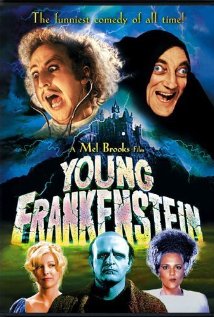
young frankenstein4. Young Frankenstein

A horror/comedy with Gene Wilder at the height of his genius. This one comes from Mel Brooks who left no classic horror movie untouched as he both lampooned and homaged famous horror films at the same time.


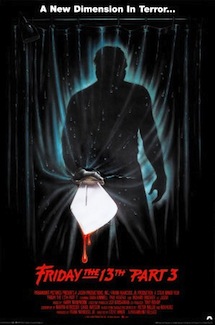
friday the 13th part III3. Friday the 13th Part III

Why not part 1 or 2? Because Jason wasn’t the Jason we all know and love (or hate). Jason wasn’t really even in part 1. His mom did all the killing. Then in part 2, he wore a bag over his head. It wasn’t until part 3 that we get to see Jason in his iconic hockey mask wielding a machete.


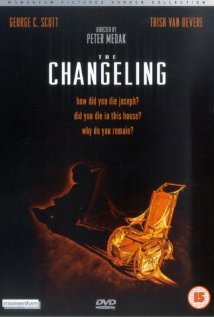
the changeling2. The Changeling

This is one of those horror movies that seems to always fly under the radar even though it deserves major accolades. George C. Scott (yes, Patton himself) stars in a story about a haunted house that is genuinely creepy.


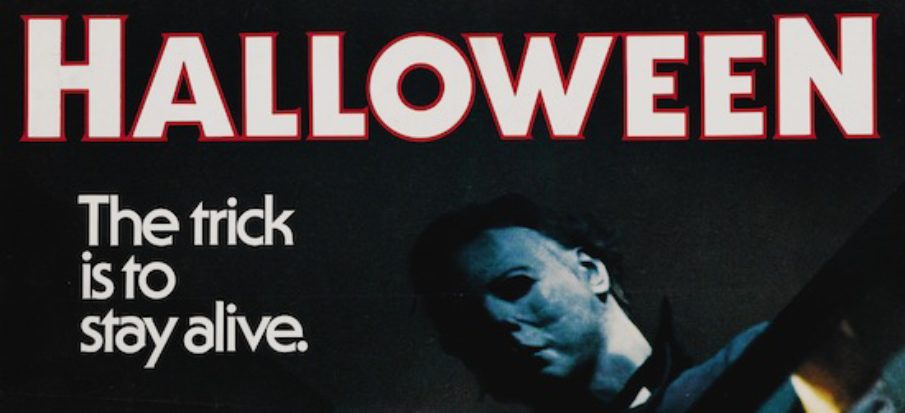
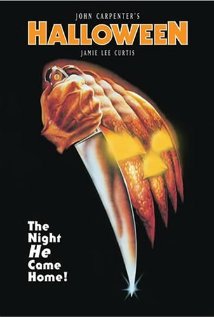
halloween1. Halloween (1978)

And of course, nothing captures the feel of Halloween night better than John Carpenter’s slasher masterpiece. It’s been copied countless times but nothing compares to the original. This is what started and defined the slasher genre and it’s still one of the best.

«< 38 39 40 41 42 >»

About Ben

Ben Lane HodsonWriter, comic book creator, filmmaker, musician, entrepreneur, cook, software developer, hiker, surfer, & rock climber. Ben is the author of the Blood & Glory, Shutter, 8-Bit, and Bukeey comic book series. His new book, Tales of the Macabre West was published in December 2014.

Follow Me

Latest Book


My short story Little Bundle of Death was published in this anthology. Available in both paperback and eBook.
Buy it on Amazon.com

Ben’s Instagram

Recent Posts

  • Walking with the Dead: The Cinematic History of Zombies
  • My Experience using a Pebble Watch
  • Panel Schedule for Salt Lake Comic Con 2016
  • Supergirl: The Panel
  • The Slasher Craze of the 1980’s
Ben Lane Hodson
© Ben Lane Hodson 2026
Powered by WordPress • Themify WordPress Themes

↑ Back to top