Ben Lane Hodson
Writer, comic book creator, filmmaker, & musician
  • About
  • Books
  • Contact
  • Media Kit

Do Genres Still Matter?

October 28, 2013 By Ben Lane Hodson in Books, Comics, Gaming, Movies, Music, Writing 2 Comments

Do Genres Still Matter?

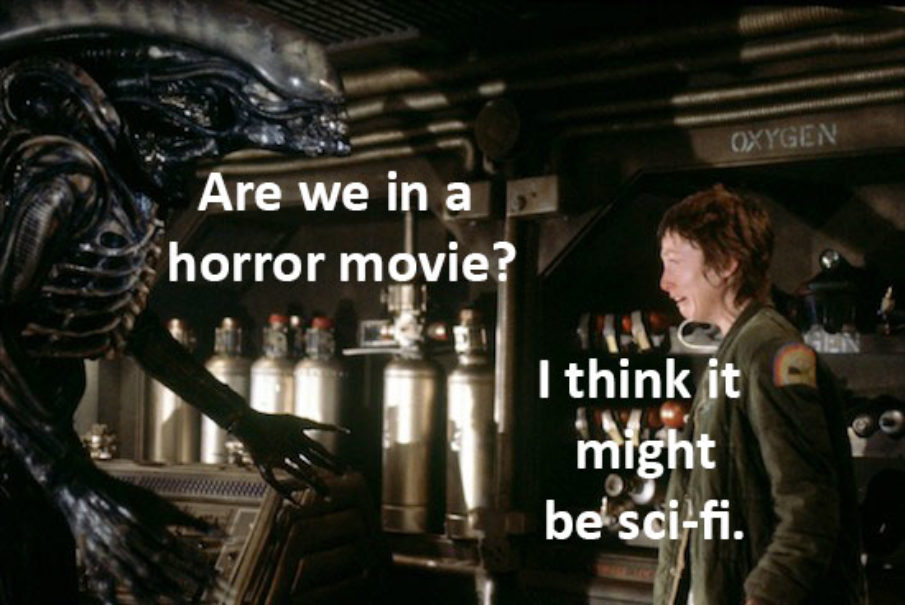
The movie Alien (1979) is a great example of a cross genre film. Is it Science Fiction? Well, they are in space, they are surrounded by technology and computers, they communicate with a machine called “Mother” and there is an android. Seems like you can easily check the box for “science fiction” but wait… Aren’t people getting killed left and right? Isn’t there a giant monster stalking people? Isn’t half the movie more about suspense and terror than technology? So maybe it’s a horror movie.

What we’re left with is a cross-genre film categorized as science fiction / horror or is it horror / science fiction? When you go to the store to buy the movie, you typically find the film in the science fiction section. But who decided that it was more science fiction than horror?

What is a Genre?

What does genre mean? How do we categorize something as one genre or another?

Setting
If it’s raining and your characters are haunting the back alleys of the 1920’s Chicago streets, there’s a good chance you’re in a noir or crime story.

Goal of Author
Many classic science fiction stories are more concerned with making a point than telling a story. The author’s goals play into what genre the story is interpreted as.

Type of Story
If you’re writing a romance, you better have people falling in (or out) of love.

Audience Expectations
If your readers are crime fiction fans, then they’ll be expecting clues to help them determine the murderer. If you provide superfluous details that might be right at home in a literary fiction, you may frustrate and confuse readers.

Everything is Niche Now

No matter what form of entertainment you’re talking about, things have become more niche. Whether it be books, music, movies, or video games, we’ve seen a merging of two or even more genres. Whereas pulp science fiction stories from the 1950’s had little characterization but heavy “science”, now we have deep characters, science, and even fantasy elements in many of the most popular science fiction books in recent years.

Chris Anderson, in his book, The Long Tail: Why the Future of Business is Selling Less of More, predicted this evolution of popular media into ever more specific niches. With a virtually unlimited supply of content (where we are quickly heading with media), people will gravitate to more personalized content. Genres will have sub-genres which will have sub-genres into ever more specific and targeted layers.

So Are Genres Still Necessary?

If there are no genres, how do you describe a book? In fact, it could be argued that as the supply of content increases, genres play an ever more important role in giving us context and understanding. The problem is that when you have so many genres, they become confusing and meaningless themselves.

This is why I Ignore genres during first drafts. I don’t want to be boxed in. Genre is definitely helpful for me to describe the book to others once I have a good idea what it is turning out to be but I don’t necessarily sit down to write a specific type of genre. I work to make a great story and then let it go where it takes me.

I’m honestly not sure how we are going to find ways to categorize and understand the mass of knowledge that is growing exponentially currently. But for now, using genres and sub-genres is “kind of” working and it’s the best we’ve got.
What Did Yoda Mean by “There is No Try?”

October 24, 2013 By Ben Lane Hodson in Movies 2 Comments

What Did Yoda Mean by “There is No Try?”

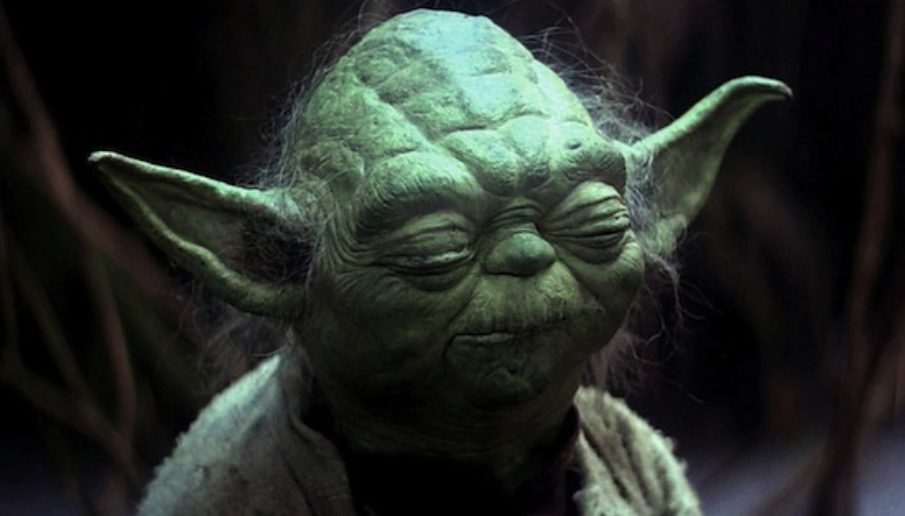
It has only recently been brought to my attention that Yoda’s famous quote has been misinterpreted or at the very least, misunderstood.

“Try not. Do or do not. There is no try.”

A quick Google search shows some interesting interpretations of Yoda’s famous quote:

“If you don’t try, then how can you ever do? Who can be perfect at anything the first time they try?”

“There’s no such thing as trying. You either do it or you fail.”

“Don’t just try, either do something or don’t even start.”

“Don’t try to do something. You either do it or you don’t. So it’s like yes or no, not maybe.”

“Whether you believe you can do a thing or not, you are correct.”

That last quote is the closest to how I’ve always interpreted Yoda’s statement. It has more to do with belief, with the spiritual, rather than the mental or physical. In fact, faith might be a better word than belief because faith prompts more action, more conviction. The dictionary defines faith as:

Faith: something that is believed especially with strong conviction, in many cases, motivating the believer to take action.

So when Yoda is asking Luke to do or do not, he is saying that he has to believe completely in the force. By Luke saying he’ll try, he is admitting he still has doubts about the power of the force. He is unsure if he can accomplish the task Yoda has given him because his faith is not pure.

He hasn’t conquered his fear. He hasn’t given himself completely over to the force. His mind is not prepared for the task he is to accomplish. He even says after he fails to lift the X-Wing from the swamp, “you want the impossible.”

To my point, after Yoda guides the X-Wing out of the swamp, Luke walks up to Yoda and says:

“I don’t believe it.” – Luke

“That is why you fail.” – Yoda

The lesson to be learned here is that no matter what we want to accomplish in life, the power of positive thinking, whole-hearted effort, unflinching resolve, and mental focus are absolutely required to do something great instead of just trying to do it.

Side note: Yet another reason the prequels were a let-down, is Obi-Wan’s statement to Anakin towards the end of Revenge of the Sith where he says: “Only a Sith deals in absolutes.” Isn’t Yoda’s try or try not statement the ultimate absolute?

Why I Don’t Write Negative Book Reviews

October 21, 2013 By Ben Lane Hodson in Books 4 Comments

Why I Don’t Write Negative Book Reviews

I love to read and I read a lot of books. Lately though, I’ve been disheartened by how many poorly written or just plain boring self-published books I’ve read. Six self-published books in a row now and they were all big let-downs in one way or another.

I want to be supportive. I want to review other author’s work. But if it is painful to get through, if I have to force myself to open back up your book and read a few more pages each night, if each spelling error or grammatical mistake jars me out of my train of thought, I can’t (and shouldn’t) give you a good review.

The Decision to Not Write Negative Reviews

I’ve gone back and forth on the question of negative reviews for a while now. If I wasn’t writing my own work, I might feel differently. Social media, opinion pieces, and online comments seem to devolve into negativity more often than not. I don’t want to contribute to that negativity. I want to stay positive. I work hard to stop myself from complaining on Twitter or trashing something with an online comment.

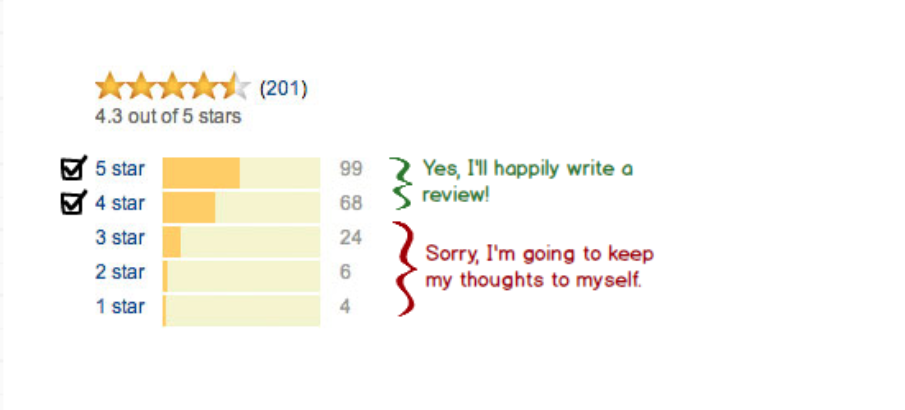
You might say, if you don’t warn people about a bad book that you’ve read, then you’re doing a disservice to the reading community. There is some truth to that. But I don’t necessarily see my job as a voice of warning. If I’m honest, I probably dislike as many things as I like. I’m old enough to have realized that my personal tastes are not all encompassing. So if I’m going to spend the time to write a review, it needs to be a four or five star (out of five) review or I’m just not going to write it.

That gives great books another positive review in their quill while not hurting authors that are still working on their craft and almost certainly will improve.

3 Reasons Not to Write Negative Reviews

1) There’s already enough negativity online.
I don’t see any reason to contribute to the negativity that already permeates the Internet. Spend five minutes reading the comments (talkbacks) on aintitcool.com and you’ll realize what Obi-Wan Kenobi meant when he said, “you’ll never find a more wretched hive of scum and villainy.”

2) I don’t want to hurt other authors who are still growing.
It is entirely possible in some cases that their writing just didn’t connect with me and other readers may love it. If nothing else, then the current work I’m not fond of is a stepping stone to growth as a writer and greater writing down the road so I don’t want to hurt the chances of this writer to find readers later if they read negative reviews now. We can all improve.

3) I want to stay positive.
I want to keep my online “brand” (and who I really am as a person) as positive as possible. Dwelling on the negative only brings me down. I don’t mind reading poor work only because it helps me to be a better writer by noticing how I might have done things differently and not making the same mistakes. But that’s something I mentally note, not something I need to blare with a megaphone to the world.

I actively keep my Goodreads author profile updated with my latest reads and now I’m going to have to be a little more careful, especially when it comes to self-published authors because if it isn’t great, it isn’t going on my “read” list with a review.

Japanese Interment Camps During WWII

October 17, 2013 By Ben Lane Hodson in Life Lessons

Japanese Interment Camps During WWII

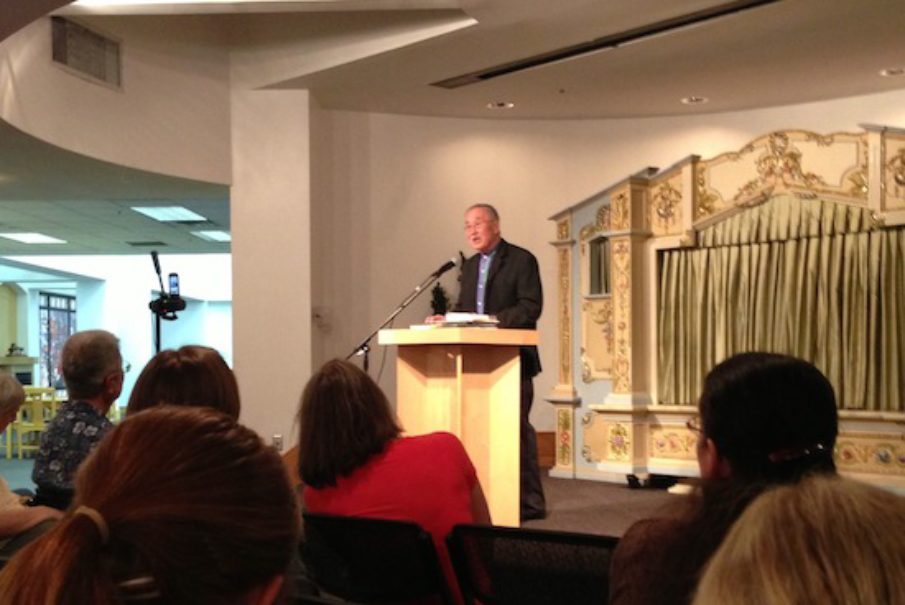
Recently, I attended a talk by Lawson Inada, a Japanese Word War II Internment Camp survivor. Mr. Inada was only a small boy when he and his mother and father (all Americans of Japanese descent) were interned between 1943 and 1945. Mr. Inada is now a highly awarded poet, Oregon’s Poet Laureate, and the author of Legends from Camp, a book about his experiences while interned (1994 American Book Award winner).

Like most Americans, I had only a vague knowledge about the internment of Japanese Americans during WWII. It’s not something most U.S. history textbooks even mention. Hearing Mr. Inada speak of his experiences was humbling. There’s a warmth in his voice and a twinkle in his eye that invites you to come and hear as if you are going back in time with him.

I learned many things about the internment that night, many I think others may not know. I’ve shared a few of the highlights below:

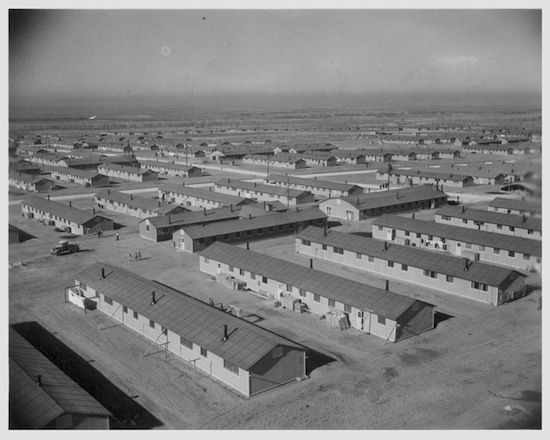
All camps

A photo of the Topaz, Utah camp.

– There were 10 camps spread across the U.S. One of the camps was in Utah near Topaz Mountain. The Topaz Camp had 42 buildings surrounded by guard towers and barbed wire.

– Oddly, almost all Americans of Japanese descent on the West coast were interned while only a small portion of those from the East or Hawaii were.

“At daybreak, stars disappear but where do I discard my dreams?
* Haiku written by an internee while in the camp.”

– FDR signed Order 9066 on February 19, 1942. The Supreme Court upheld the order. 110,000 people of Japanese ancestry were interned during WWII. 2/3 of these people were U.S. citizens. The other 1/3 were kept from citizenship by prejudicial laws.

FDR's Exclusion Order

FDR’s Exclusion Order

– Some German Americans were interned in different camps as well.

– Many young Japanese Americans joined the 442nd Regimental Combat Team even though their families were interned. They became the army’s most decorated unit for its size and duration of service. It was heartbreaking to hear about these young men fighting for our freedoms while their own families were interned back home.

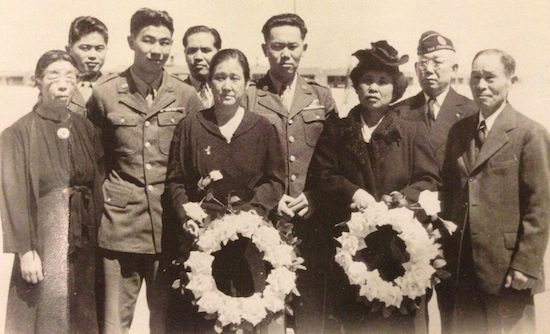
– Japanese American mothers whose sons died fighting for the U.S. in WWII were awarded a gold star for their sacrifice while they were still interned. Imagine the injustice of losing your own freedom and even your child while being imprisoned as a U.S. citizen.

A photo of several Gold Star Mothers.

A photo of several Gold Star Mothers.

– Not a single Japanese American was prosecuted or convicted of any instance of espionage even though the suspicion of this was the very reason that they were interned.

– Those interned had very little time to liquidate their homes and possessions. They suffered huge financial losses.

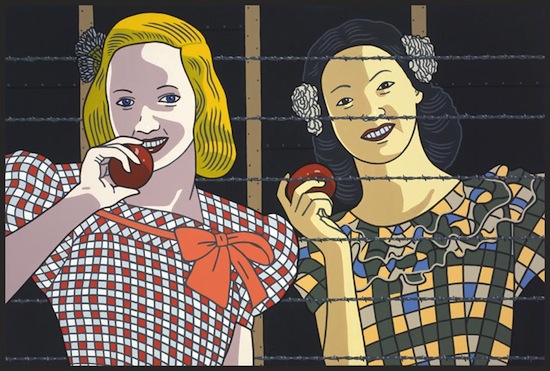
Picture

Painting by Roger Shimomura

This painting by Roger Shimomura depicts the duality of two U.S. citizens, one free, one imprisoned, during WWII.

One of Mr. Inada’s poems, The Legend of Lost Boy is printed in his book. He read this powerful poem and then talked about being lost. One of the things that stuck with me was what he said about being found:

“All of us have gotten lost in some way in our lives but if you keep at it long enough, you’ll be found.”

6 Tips to Improve your Blog Posts

October 14, 2013 By Ben Lane Hodson in Tips & Tricks

6 Tips to Improve your Blog Posts

I’ve been reading a lot of blogs lately and I’ve noticed some weaknesses. Many of these blogs have good and useful content but they are lacking in a number of other factors. Your blog posts will improve if you follow these 6 simple tips:

1) Edit & Revise

Each time a reader encounters a misspelled word, some incorrect grammar, or a sentence that doesn’t quite make sense, they hit a roadblock. Encounter enough roadblocks and the reader will give up. Poor editing reflects badly not only on your authority on the topic you’re discussing but it can also tarnish your authorship and brand.

Having to maintain a vigilant schedule of timely blog posts can make it hard to find time to edit and revise. Certainly, many of my posts are not my best writing by a wide margin. But it’s important to make sure you’re doing the best you can in the limited time you have.

  • Use spell check (this one is obvious).
  • Look for typical mistakes such as the use of there, their, and they’re. When you’re writing quickly, it’s common to use the wrong word even though it sounds the same in your head.
  • Read each paragraph and make sure you can clearly describe the point it’s making.
  • After editing, read your entire post out loud.

2) Use More Paragraphs

Most of your readers will be accessing your blog from either a mobile device or a web browser. That means they will be “web-scanning” instead of reading long form text like a novel. Keep your paragraphs to only a few sentences. Add more whitespace. Cut long paragraphs down into smaller, easily scanned chunks of text.

3) Use Statistics to Back up your Point

If you have numbers in your blog, make sure you cite references. Refer to old posts or other blogger’s posts that back up your point. If you make general statements, do your research and find facts that prove what you’re saying. Many times I’ve thought something was true only to do some research and realize I was way off.

4) Write in the First and Second Person

Write with the word you. Tailor your content to the reader. Make it relevant to them by including them. Don’t use we or them. Make it personal. Talk about your own experiences and then talk about how your blog post affects the reader. Bring them into the conversation.

5) Use Friendly URL’s and Keep Them Short

Use URL’s that reflect your content. Ideally, your blog title should be your URL also. Don’t use numbers or strange characters such as “?, =, &” in your blog URL. Keep your URL’s short.

Don’t change your URL later after you have posted the blog. Everyone is linking to it (Google, Yahoo, Bing, other bloggers, etc.) so don’t make it hard for them to find it later by changing your address on them.

Use hyphens (-) instead of underscores (_) or slashes (/) to separate words in your blog post URL.

Never make your blog post URL case-sensitive.

6) Include an Image

When people link to your blog from Facebook or Google+, these social networks grab a quick preview of your post to show on the status update. If you’ve put an image on your blog, then this image will be included with the title of the post and a short excerpt from the content.

Not having an image on your post can really hurt your readability and make your post much less inviting to click on. According to an article by Jeff Bullas, posts with images get 94% more page views.

Following these simple tips can make your blog posts more readable, more engaging, and most of all, bring new readers.

Nightmares Mean I’m on Track

October 10, 2013 By Ben Lane Hodson in Tales of the Macabre West

Nightmares Mean I’m on Track

Ever since I started working on Tales of the Macabre West, I’ve spent a good deal of time coming up with scary story ideas. I appear to be on the right track because my wife informs me there have been many a night lately where I talk in my sleep. More like whimpering instead of talking according to her.

I’m having some nightmares. When they are intense, I’ll wake up but I rarely remember what the dream was about. I remember maybe a flash or a picture from the dream but more likely, all I have is the feeling – uneasiness, suspense, stress (all the fun feelings you have in a really good scary movie) and then I realize it was all a dream and I go back to sleep in minutes.

Isn’t That a Good Sign?

If you’re writing a scary story, shouldn’t it scare yourself first and foremost? Nightmares are a great breeding ground for suspense. The more real the stories become as I write them, the more vivid the dreams.

The interesting thing is that the dreams appear to be a reaction to what I write. They are not driving the writing as much as they are responding to it. The dream comes after a great writing session. My subconscious is where the true magic happens.

Nightmares are Good?

Many will wonder, you’re glad you’re having nightmares?

Well… Yes (I don’t have nightmares every night by the way). I take it as a good sign. If I can scare myself, surely I’ll be able to scare others. I get more excited everyday about how this book is coming together.

5 Best Job Skills to Have

October 7, 2013 By Ben Lane Hodson in Life Lessons

5 Best Job Skills to Have

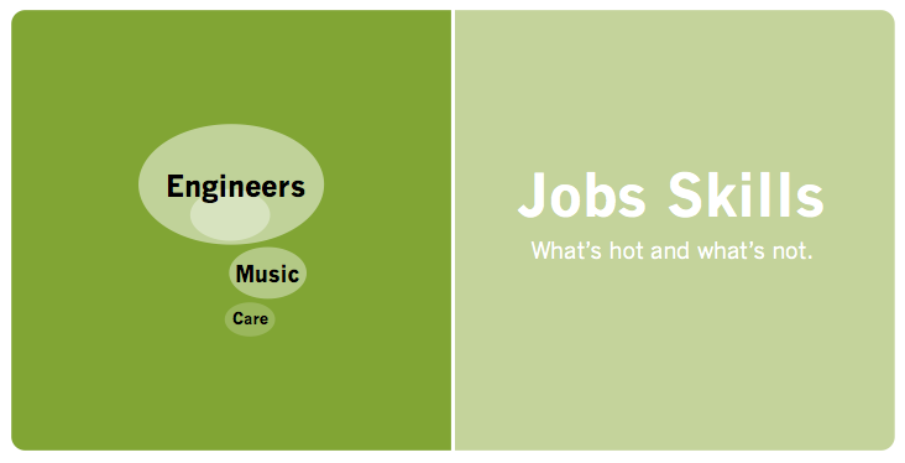
I’m always interested in learning where the job market is going next. Skill sets come and go. USA Today recently wrote about some interesting statistics, listing jobs that are growing fast, dying, and the highest paying.

10 Fastest Growing Jobs

The really interesting thing here is how much fossil fuel related jobs are growing. The world’s ever-increasing demand for oil is ramping up even more. Music directors were a surprise but sound is becoming ever more important in all aspects of media and marketing.

1. Service Unit Operators, Oil, Gas and Mining
2. Petroleum Engineers
3. Music Directors & Composers
4. Interpretors & Translators
5. Massage Therapists
6. Human Resources Specialists
7. Coaches & Scouts
8. Personal Financial Advisors
9. Personal Care Aides
10. Skin Care Specialists

10 Dying Jobs

A lot of classic construction-related skills are becoming obsolete. With the popularity of mobile devices like iPads and smart phones, people are doing their own typing or dictation. And as Egon said in Ghostbusters, “print is dead.”

1. Advertising and promotions managers
2. Carpenters’ helpers
3. Plasterers and stucco masons
4. Drilling and boring machine tool setters, operators, and tenders, metal and plastic
5. Brickmasons, blockmasons, stonemasons, tile and marble setters
6. Computer operators
7. Textile knitting and weaving machine setters, operators and tenders
8. Word processors and typists
9. Prepress technicians
10. Semiconductor processors

9 Highest Paid Jobs

Lawyers have the greatest number of people with that skill set (over 500,000). No surprise on CEO’s (we’ve been hearing about their “overpay” for years). I’m shocked politicians didn’t make the list. Health services are on the rise with the continued aging of the baby boomers.

1. Lawyers
2. Financial Managers
3. Sales Managers
4. Computer & Information System Managers
5. Pharmacists
6. Chief Executives
7. Architectural and Engineering Managers
8. Marketing Managers
9. Family and General Practitioners

Best Job Skills to Have

Based on the above details, here’s a list of what’s going to be hot for the foreseeable future:

1. Engineering (structural design, fossil fuels)
2. Health services (doctors, long term care)
3. Foreign languages (the more the better)
4. Technology (programmers, user interface designers, usability, hardware design)
5. Human Resources (training, education, personal & organizational development)

It seems like about every five years or so, skill sets like this shift. Some are here to stay for a long time like health services. Others may have an inevitable end (petroleum). Regardless, the best thing to do is constantly keep learning, growing, and stay competitive.

The Family that Quotes Movies Together…

October 3, 2013 By Ben Lane Hodson in Life Lessons

The Family that Quotes Movies Together…

Sunday night dinners have always been a family affair in our house. Any of the kids near enough to get to the “parental unit’s” house would make the trek to share dinner, conversation, and some laughs.

When we were dating, my wife had a bit of a rude awakening to the strangeness of Hodson-family dinner conversations. In between stories about the grandkids, the latest updates of the week, and occasional rants about politics and pop-culture we had the ability to carry on full conversations using only movie lines.

Growing Up with Movies

We love movies. Many Friday nights were spent waiting in lines at the local theater to see the newest blockbuster of the week. Weekend late nights consisted of a double-feature accompanied with popcorn, soda, and candy. The typical favorite candy was red and black licorice but the best was sprinkling M&M’s over the hot buttery popcorn. The M&M’s would partially melt inside while the candy shell kept them intact making the combination of popcorn and chocolate unstoppable.

Dad was a theater manager and projectionist when I was young. It’s rumored I saw Star Wars: A New Hope many times before I could speak in full sentences. I wore out my Indiana Jones VHS collection watching it so much. Movies even ran in the background while we did chores or worked on projects. (There’s nothing better to do homework to than The Empire Strikes Back by the way).

Movie Quotes as Vocabulary

With all of this movie watching, we were bound to pick up a few lines here and there. We ended up picking up a lot more than that. My youngest brother especially appears to have a photographic memory when it comes to movie dialogue. Without realizing it, over time, we began to use favorite movie phrases in regular conversation.

We got pretty good at it. It became a game to see who could come up with the most clever way to use a movie phrase in normal conversation (usually judged by what made us laugh the most). Our dinner conversations had became a bizarre list of esoteric movie phrases and references. It all seemed perfectly normal to us but it took an outsider like my wife to make me realize just how impenetrable our conversations had become to those not as informed on everything movies.

A Sampling of Some Classics

“It’s a sweater!”
Said each time a gift was opened on Christmas morning that contained any type of clothing.

“We’re going to play a little Twister and have a great time.”
When referencing a get together, movie night, or any other type of party.

“You will never find a more wretched hive of scum and villainy. We must be cautious.”
When planning a trip through the bad part of downtown.

“Kids, we’re gonna have to eat this by ourselves. Your Uncle Joey didn’t make parole again.”
Said while sliding a newly cooked dish of food on the table for dinner.

“You just digested the bad guy.”
Said when someone’s stomach growled.

“Did you get me my Cheez Wiz, boy?”
Said when someone came back home from the store to make sure they bought what you asked them to get.

Bonding and Quoting

I fully realize it makes no sense to anyone else, but to us, it’s a fun little bond we all share. It’s like a secret language only we know how to speak and frankly, the quotes get funnier every year.

Bonus points if you can name the movies the above quotes came from. Maybe you can join our little club.

Professionals Finish their Work

September 30, 2013 By Ben Lane Hodson in Books, Life Lessons 4 Comments

Professionals Finish their Work

I’m shocked at how many writers are still working on their book years after starting. I really don’t want to hurt any feelings on this. Life gets in the way. Priorities change. I’m not judging any particular person. I just wonder what’s taking so long.

You see, professionals finish their work. I can’t tell you how many times a friend has told me they mean to do something but never find the time to get to it.

  • I’m going to learn to play guitar
  • One day I’ll start my own company
  • I have a great idea for an innovative product
  • I want to write a book
  • I’ll write my own video game someday

The list goes on. Nearly everyone has aspirations like this. How many actually make it happen? Very few. It takes a lot of effort and other priorities tend to get in the way unless you are truly committed and frankly a bit of a self-starter.

Effort It Takes to Write a Book

Take writing a book for example. 81% of Americans say they want to write a book someday whether it be fiction, non-fiction, or even a cookbook. What would it take to accomplish a goal like that?

Let’s say you only write for 15 minutes every day. Assume you are a slow typist and can write 200 words every 15 minutes (less than 5 words per minute). An average-length novel has around 60,000 words on the low end. So spending only 15 minutes a day (4% of your time each day), you would complete a novel every year.

Doubling that amount of time to 30 minutes per day would allow you to complete two full novels every year. Spending Sunday afternoon writing each week for a couple of hours would get you the same results without having to write any other day of the week.

Publishing a Book is Rare

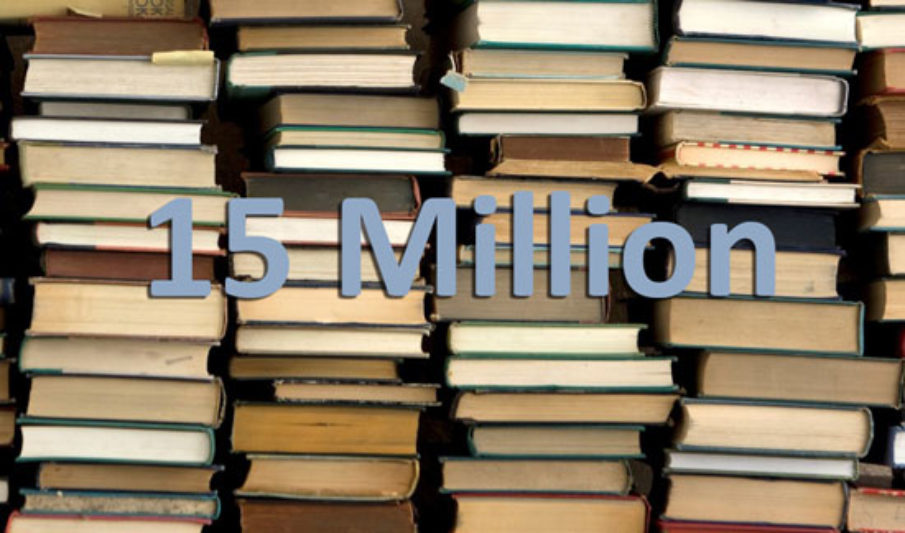
Following this example, publishing a book actually turns out to be a rare achievement. There are close to 7.2 billion people in the world. There could be as many as 15 million books published this year. Even if we say every author wrote one book each of that 15 million (but we know many authors publish multiple). That would mean less than half a percent of the population would have written a book.

To put that into perspective, that’s 1 in 500 people. There are 320 million people in the U.S. and yet less than 650,000 people will publish a book.

What this all means is that publishing is a huge accomplishment.

Make It Happen. Finish What you Started

Maybe this is a wake up call. I’m writing this as much to jazz myself up as to hopefully inspire others. I want everyone to create. I want everyone to succeed. It doesn’t have to be a book. Is there a big project at work you’ve been talking about? What about a pet hobby you’ve allowed to languish? Go do it. Make it happen. Be rare. Be a pro and finish what you start.

Consume Less, Create More

September 26, 2013 By Ben Lane Hodson in Books, Life Lessons

Consume Less, Create More

Media is everywhere. It’s becoming overwhelming. The number of books, music, & movies released is like a tidal wave of content. It’s no longer possible to be a generalist, you have to specialize and even then, you probably aren’t scratching the surface of what’s available.

The 10 Year Change in Media

To my point, here are some quick numbers on how media has grown in the past 10 years:

Books published:
2002: 247,777
2012: 15 million

In 2010, there were only 130 million books in existence (in the entire history of mankind). 2012 increased that total amount by almost 12% in a single year. That’s over a 500% increase in 12 months. By 2016, we will have doubled the number of all books in existence. There are some cool stats on this blog to back up these numbers as well as Wikipedia.

Movies & Music are experiencing similar trends.

As my brother put it:

“We are being entertained to death.”

Easier Access, More Content

With all of this content, it’s hard to decide what to watch, listen to, or read. With the popularity of video streaming services like Netflix, more people are “binge” watching an entire TV Series in a couple of weeks instead of watching along with the show over a several year period.

Free music streaming services like Pandora & Spotify allow a virtually limitless amount of music consumption. Gone are the days of buying an album and listening to it over and over, knowing each song, experiencing the record as the artist intended. Now we look for quick-hit three minute songs with a catchy hook or a favorite beat. Most wouldn’t recognize an album cover from their favorite song if they saw it.

The popularity of free eBooks and Amazon’s one-click purchase process make getting books easier than ever. It’s now common to download so many eBooks that there is literally no way to read them all. We jump between different stories, rarely finishing anything, having a bookmark around a third of the way through a stack of books without ever finding time to get back to it.

I’m painting a concerning picture of the current media landscape but it really is exciting to have all of this content. It’s more specialized and much is higher quality (a necessity in a sea of media this large). We have more options than ever before.

What Am I Putting Back Into the System?

But the question worth asking is: what’s your rate of consumption compared to creation? Are you a full time consumer? When was the last time you created something and put it out in the world? Are you utilizing your talents to benefit others or are you selfishly hiding them from the world?

My goal is to spend at least 10% of my time creating. I love movies. I adore books. I’m obsessed with music. I’m okay with TV (there are a few gems). But I make a point to put in time daily to create. I focus on building my talents. I’m trying to offset my consuming with as much creation as possible.

Each year, I have a big creative goal. Two years ago, it was writing and filming the Sci-Fi short film Marooned. This year I’m writing my first book Tales of the Macabre West. I’ve already got big plans for next year.

Don’t feel like you have anything to share? Start practicing and get better at something that interests you. Talent is 90% work & practice. Why create? All I can tell you is I get exponentially more out of creating than I do consuming. Creating is where the real magic happens.

«< 39 40 41 42 43 >

About Ben

Ben Lane HodsonWriter, comic book creator, filmmaker, musician, entrepreneur, cook, software developer, hiker, surfer, & rock climber. Ben is the author of the Blood & Glory, Shutter, 8-Bit, and Bukeey comic book series. His new book, Tales of the Macabre West was published in December 2014.

Follow Me

Latest Book


My short story Little Bundle of Death was published in this anthology. Available in both paperback and eBook.
Buy it on Amazon.com

Ben’s Instagram

Recent Posts

  • Walking with the Dead: The Cinematic History of Zombies
  • My Experience using a Pebble Watch
  • Panel Schedule for Salt Lake Comic Con 2016
  • Supergirl: The Panel
  • The Slasher Craze of the 1980’s
Ben Lane Hodson
© Ben Lane Hodson 2026
Powered by WordPress • Themify WordPress Themes

↑ Back to top